Set-up and colour profiling
A new wide-format printer needs proper installation, power and calibration. We install the machine, align the print system, build media-specific ICC profiles and run a first print your team can approve on site.
What is included on site
Set-up and colour profiling covers the practical work that gets a printer from crate to usable production. The service is available for eco-solvent, aqueous and UV equipment supplied through our Centurion base, with travel arranged for Gauteng and deliveries to other provinces where required. We work with sign shops, photo labs and print studios that need repeatable output on the media they run in daily production.
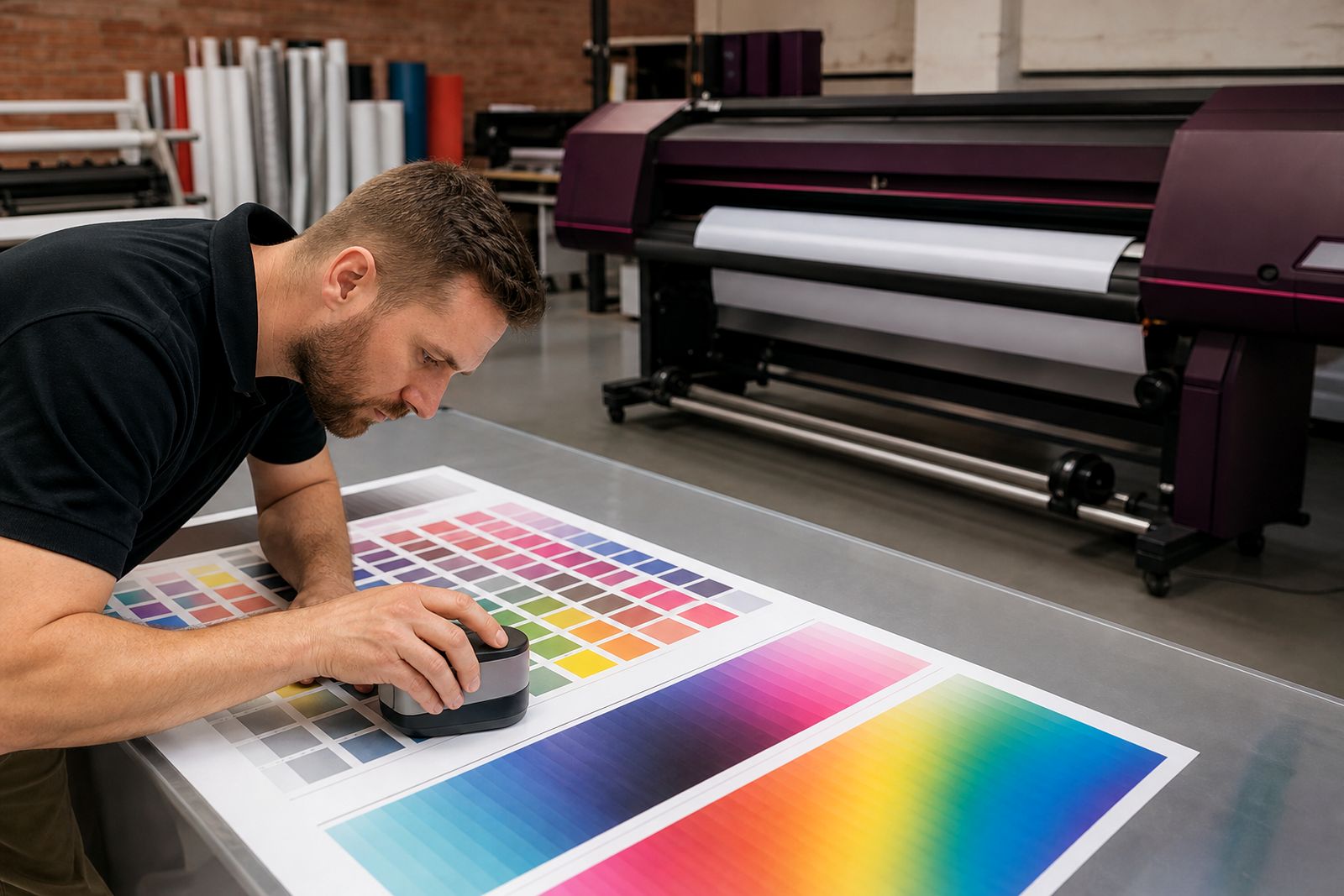
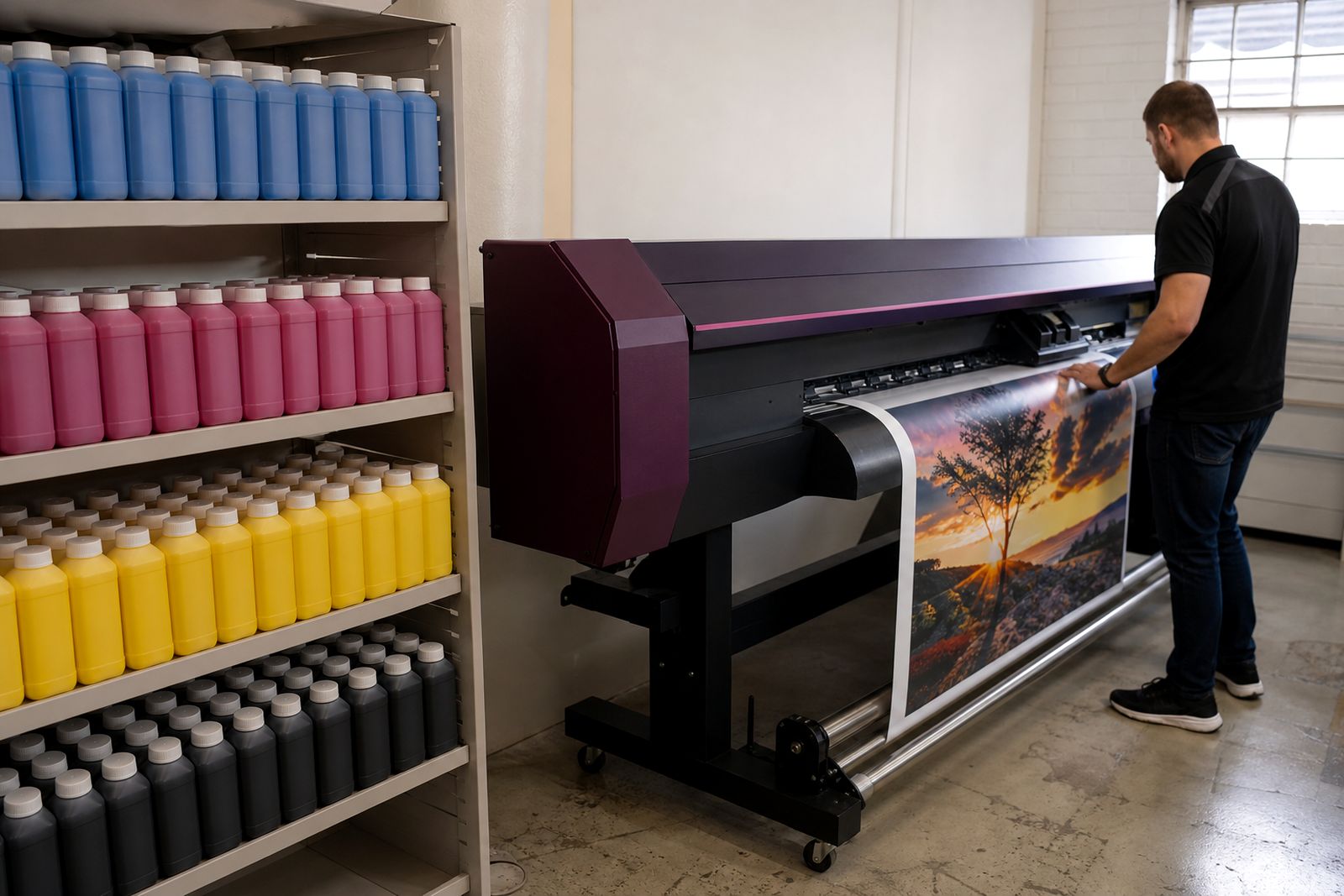
During the visit we install the printer, connect the RIP workflow, load the chosen ink set, check printhead firing, confirm feed and take-up where fitted, and build or load profiles for the media agreed in advance. The session ends with a first print that can be checked for colour, density, banding and fine text before routine production starts. If a print room has dust issues or coastal humidity to manage, we factor that into the calibration routine because colour drift isn't always obvious until the second or third job.
- Mechanical set-up and placement in the print area
- RIP connection and queue configuration
- Printhead checks, alignment and nozzle verification
- ICC profiling for the selected media list
- Test prints and first production sign-off
The installation process in order
We keep the process structured so the operator can follow each stage and repeat the daily checks later without guesswork. A typical booking starts with confirmation of the printer model, ink type, media width and the RIP software that will run the device. That tells us what tools, target charts and consumables to bring.
On site, the machine is positioned on a level floor with enough rear and side clearance for loading media, maintenance access and safe ventilation. We then complete electrical checks, assemble stands or take-up components where needed, install the ink system, and run the initial charge. After that comes printhead alignment, feed calibration and bidirectional tuning. Once the machine is printing cleanly, we move into media profiling so the profile can hold up in production.
- Site check and printer placement
- Assembly, connection and ink loading
- Nozzle checks and alignment routines
- Media feed calibration at working speed
- ICC chart printing, measurement and profile build
- First approved print on the chosen substrate
What your team should prepare before the booking
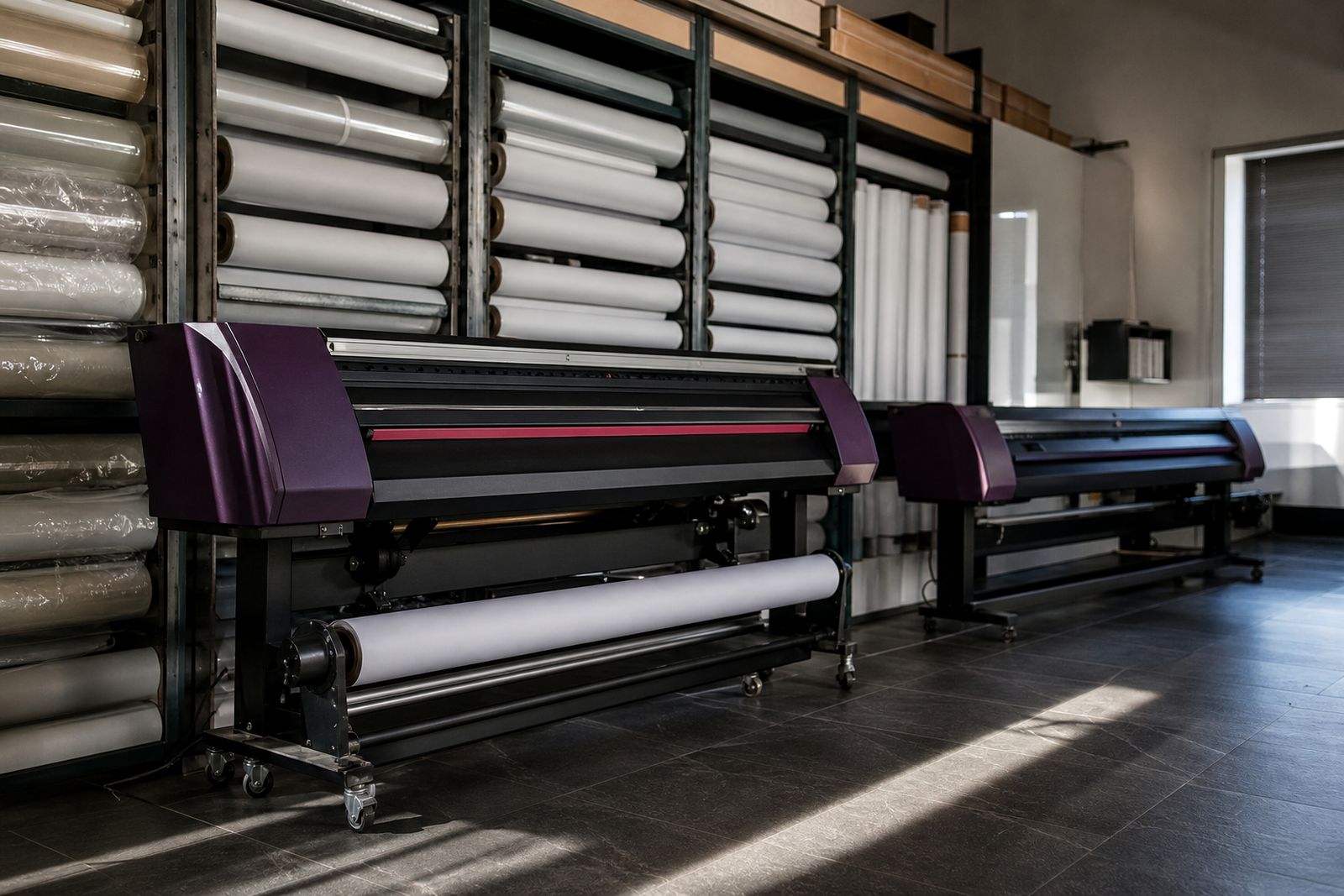
Good installation starts with a room that is ready to work. Please make sure the printer area is clear. The floor should be stable, and the machine must be able to move in without lifting through tight passages or stairs unless arranged beforehand. If the unit is a larger format machine, measure door openings and turning space from offload point to print room. In Gauteng that can save half a day and a lot of frustration.
Your operator should have the media you want profiled on hand, with the exact rolls or sheets that will be used for live jobs. A satin photo paper and a gloss photo paper may need different settings even if they are the same width. The same applies to vinyl, film, canvas and coated board. Please also have a production computer ready with current operating system updates completed, enough storage for raster files, and a stable network point if the RIP is not running by direct cable. If load-shedding protection is used on the production PC and printer, note the capacity so startup and shutdown can be managed properly.
- Clear access from receiving area to print room
- Level floor and working ventilation
- Production computer available for the RIP
- Exact media to be profiled for the job
- Operator present for sign-off and handover
How profiling is handled for media and colour
ICC profiling is built for the printer, ink set, media surface, print mode and target result. For example, a backlit film run for strong density needs different limits from a wall vinyl aimed at smooth gradients and readable small type. We set ink limits, linearisation and profiling in the RIP so colour can be reproduced with fewer surprises between one roll and the next.
Where a shop runs several common substrates, we normally start with the media that carries the most paid work. That may be self-adhesive vinyl for a sign shop, photo paper for a lab, or coated poster stock for a studio. Once the first group is stable, extra profiles can be added. This matters if you need skin tones on aqueous output, deep black text on eco-solvent posters, or UV prints that hold detail in shadows without overcuring the surface. The goal is practical consistency across real jobs and chart prints.
How pricing is worked out
Pricing is based on the machine type, the amount of installation work on site, travel from Centurion, the number of media profiles required and whether the RIP workflow is new or already in place. A compact aqueous unit with one paper profile is a smaller job than a production-width eco-solvent or UV system with take-up, several substrates and queue setup for more than one operator. Additional visits for a printer room that still needs computer, power or network preparation are normally costed separately.
In general terms, the quote considers installation labour, travel, profiling time, target measurement, test consumables and any agreed operator handover. Replacement parts, extra printheads, bulk inks, media and RIP licences are separate items where needed. If you are planning a new machine and want the service cost scoped with it, send the printer model, delivery town, RIP details and the first media list through our contact form.
Aftercare once production starts
After the printer is handed over, normal production conditions matter just as much as the original calibration. We recommend keeping a printed reference file from the sign-off session and running regular nozzle checks before long jobs. Dust, heater changes, new batches of media and operator changes can all shift output in small ways. When that happens, the correct fix is usually targeted recalibration or a fresh profile for the changed material, not random adjustments in artwork.
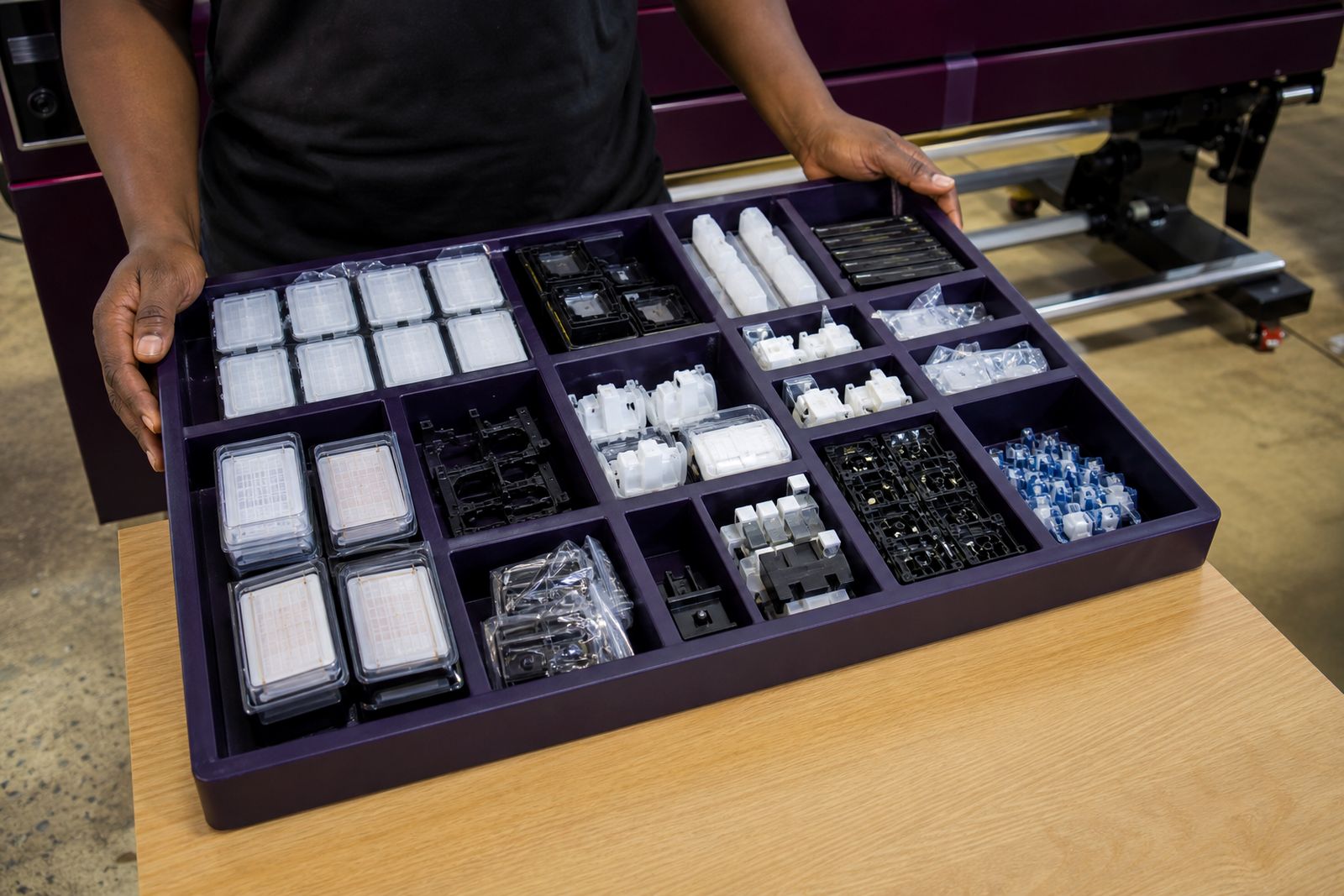
Our team can assist with added media profiles, replacement printheads, inks, spares and RIP-related support for equipment supplied through Large Format Printer. We do not sell plasma systems, routers or laser equipment, so the service stays focused on wide-format print production. For sites outside Gauteng, printers, inks and media can be delivered to every province with installation planning arranged around access and the job list.
What our Wide-format Printing customers say
Verified Google reviews
Questions we get asked
How many media profiles should we start with?
Start with the substrates that carry the bulk of your paid work. Most shops begin with one to three media types so the printer is usable immediately, then add more profiles as the production mix settles.
Can you profile media we already stock?
Profiling is normally done on the exact rolls or sheets your shop intends to run, because coating, surface finish and ink limits differ between materials.
Do you handle set-up outside Gauteng?
Set-up outside Gauteng is handled with planning around delivery, access and the installation scope. Printers, inks and media can be delivered to every province, and the service arrangement is matched to the machine and site conditions.
Also worth a look
Tell us about the job
Send sizes, materials and where you are through our contact form, and we will come back with the practical options.
Open the contact form