

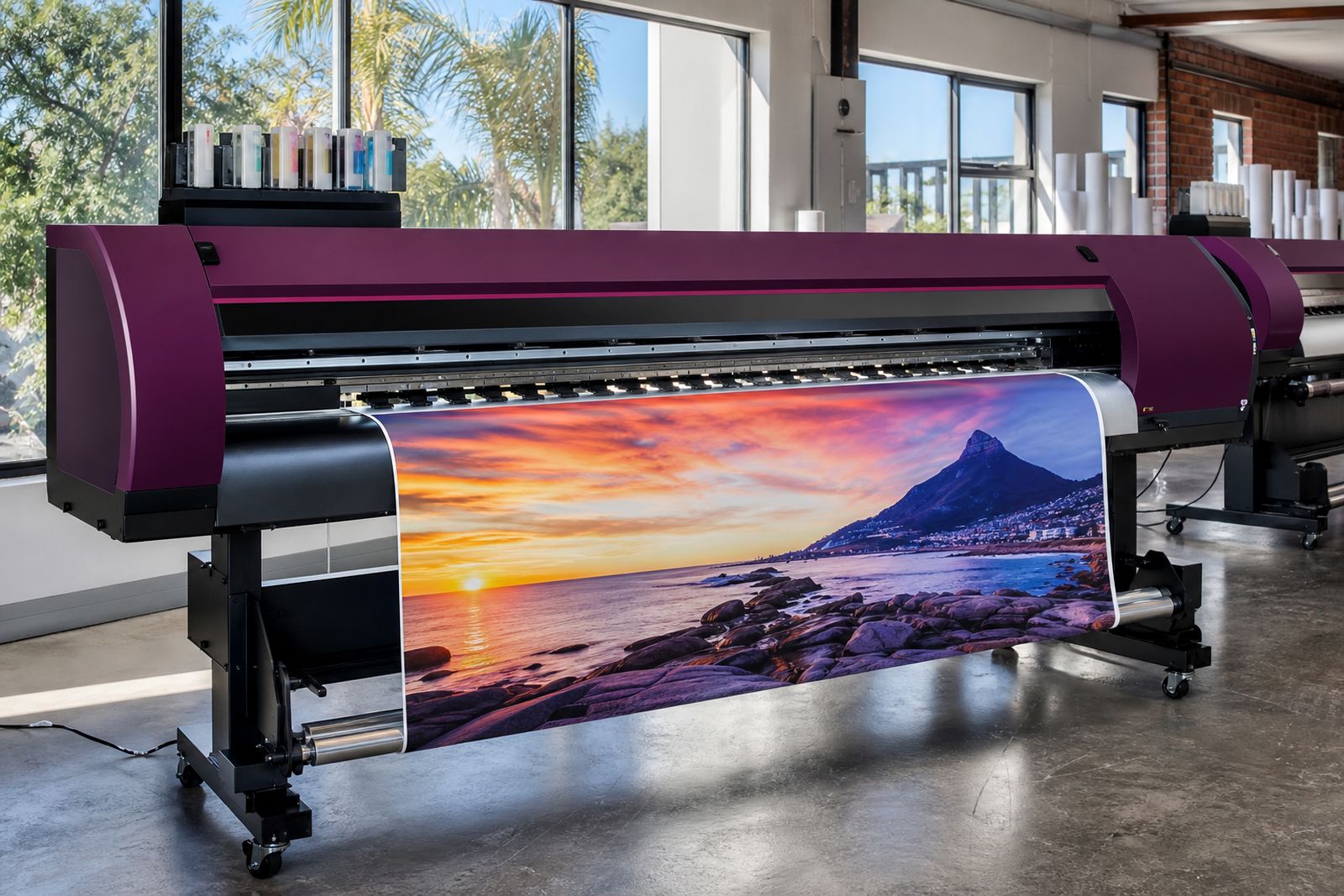
Wide-format printers, inks and support
Large Format Printer works with sign shops, photo labs and print studios that need wide-format printers backed by the parts and consumables to keep production moving. From Centurion we handle printer sales, inks, printheads, media, RIP software, set-up, colour profiling and print-room training for customers across South Africa.
Print rooms we work with every week
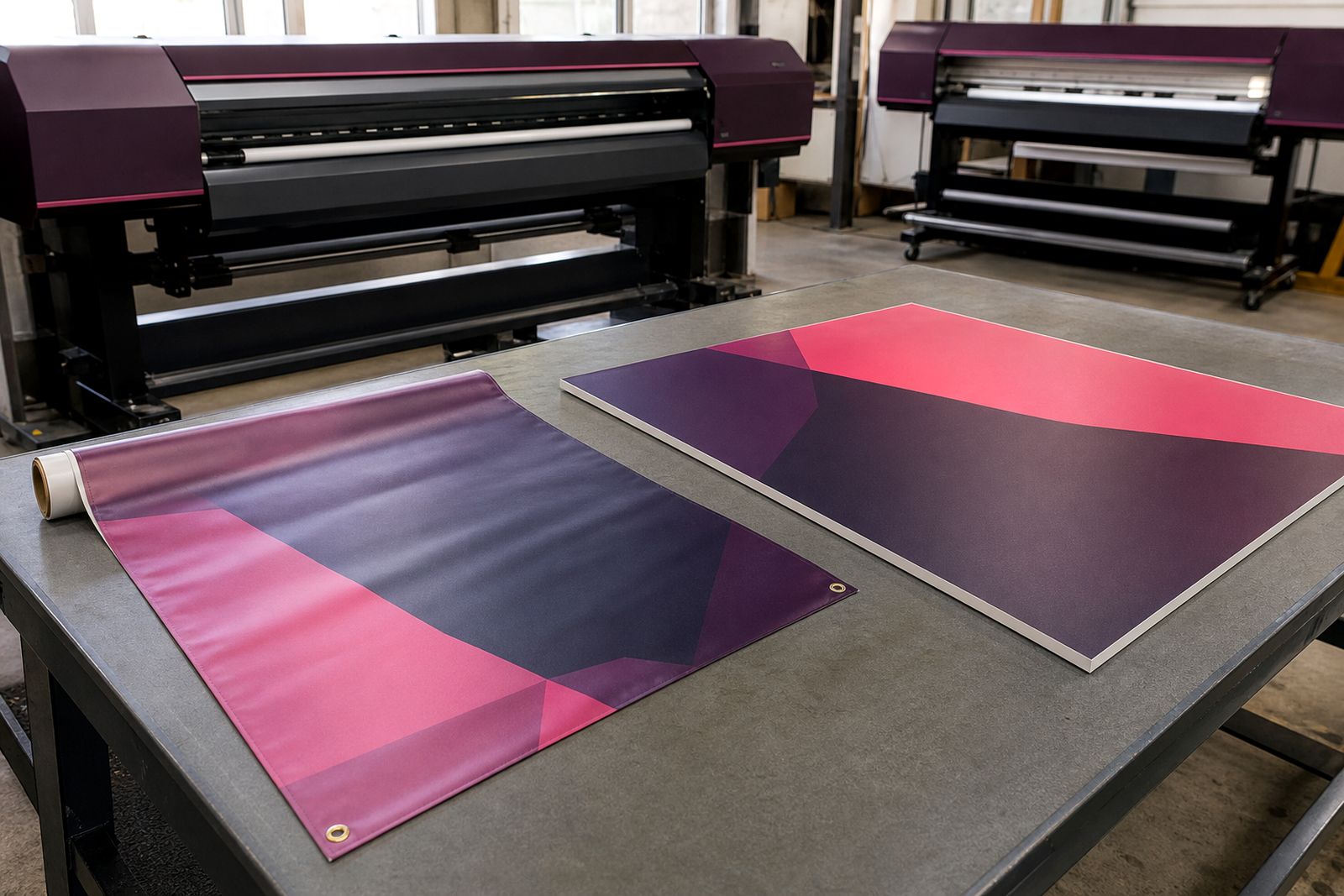
Our range is built around three busy environments: sign production, photographic output and studio print work. That means solvent work for decals and signage, aqueous printing for photo and fine-detail output, and UV systems for rigid or speciality work where the substrate list is wider.
The focus is wide-format printing and the items that keep those machines useful on the floor, from the first installation through daily ink use, head changes and media loading.
- Eco-solvent printers for vinyl, banner and everyday sign production
- Aqueous printers for photo labs, proofing and detailed image work
- UV printers for shops handling boards, display material and mixed substrates
- Bulk inks, cartridges and matching consumables for regular production
- Printheads, service parts and wear items for maintenance work
- RIP software, media handling accessories and practical operator support
If your shop is replacing an older printer, adding a second machine for overflow, or splitting work between photo and signage, we help map the equipment to the real jobs you run, based on actual production needs.
Where to start
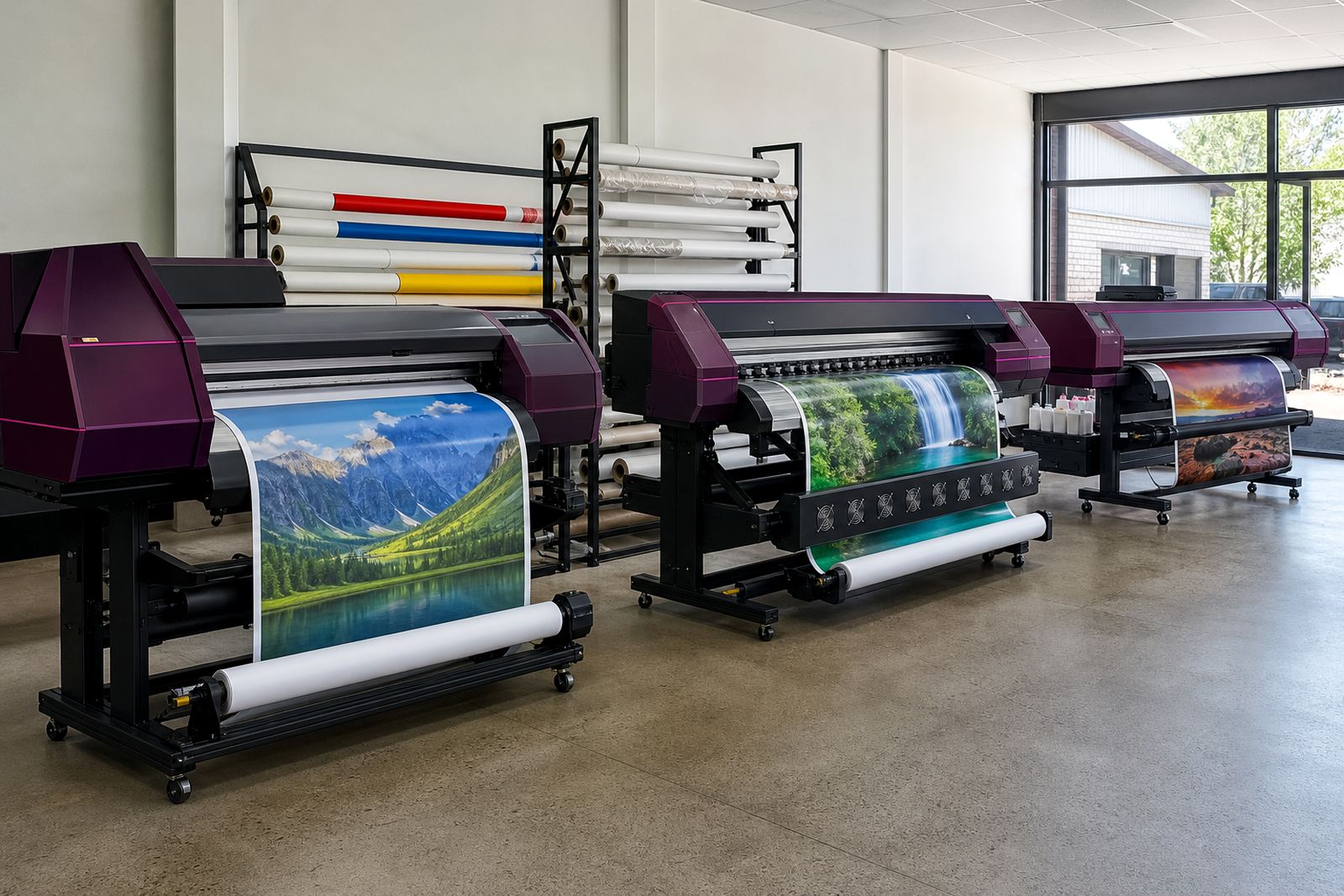
Wide-format printers
Eco-solvent, aqueous and UV printers matched to real print work, media handling and finish requirements.
Read more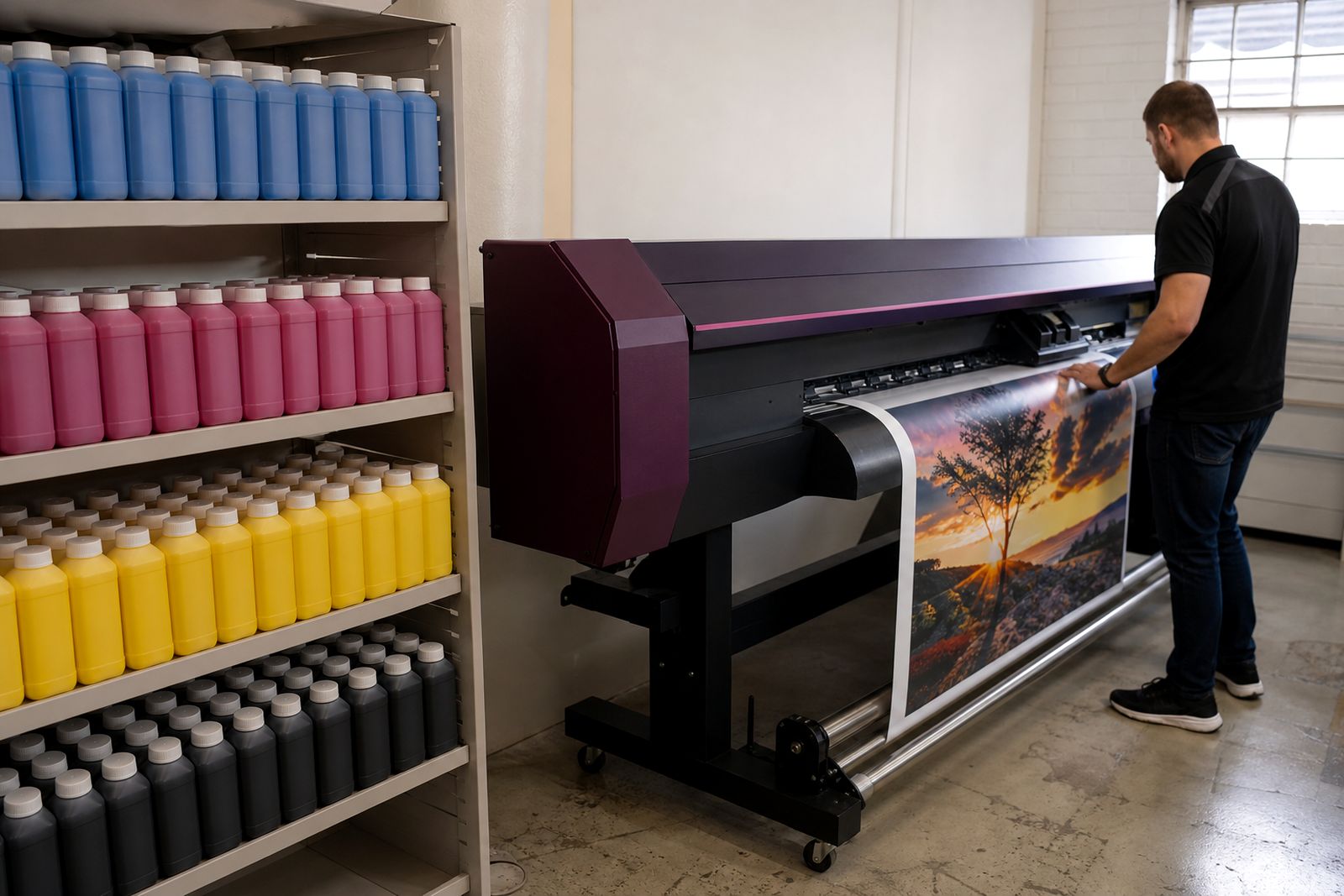
Inks
Bulk and cartridge inks for wide-format printers, with practical guidance on compatibility, colour, servicing and changeovers.
Read more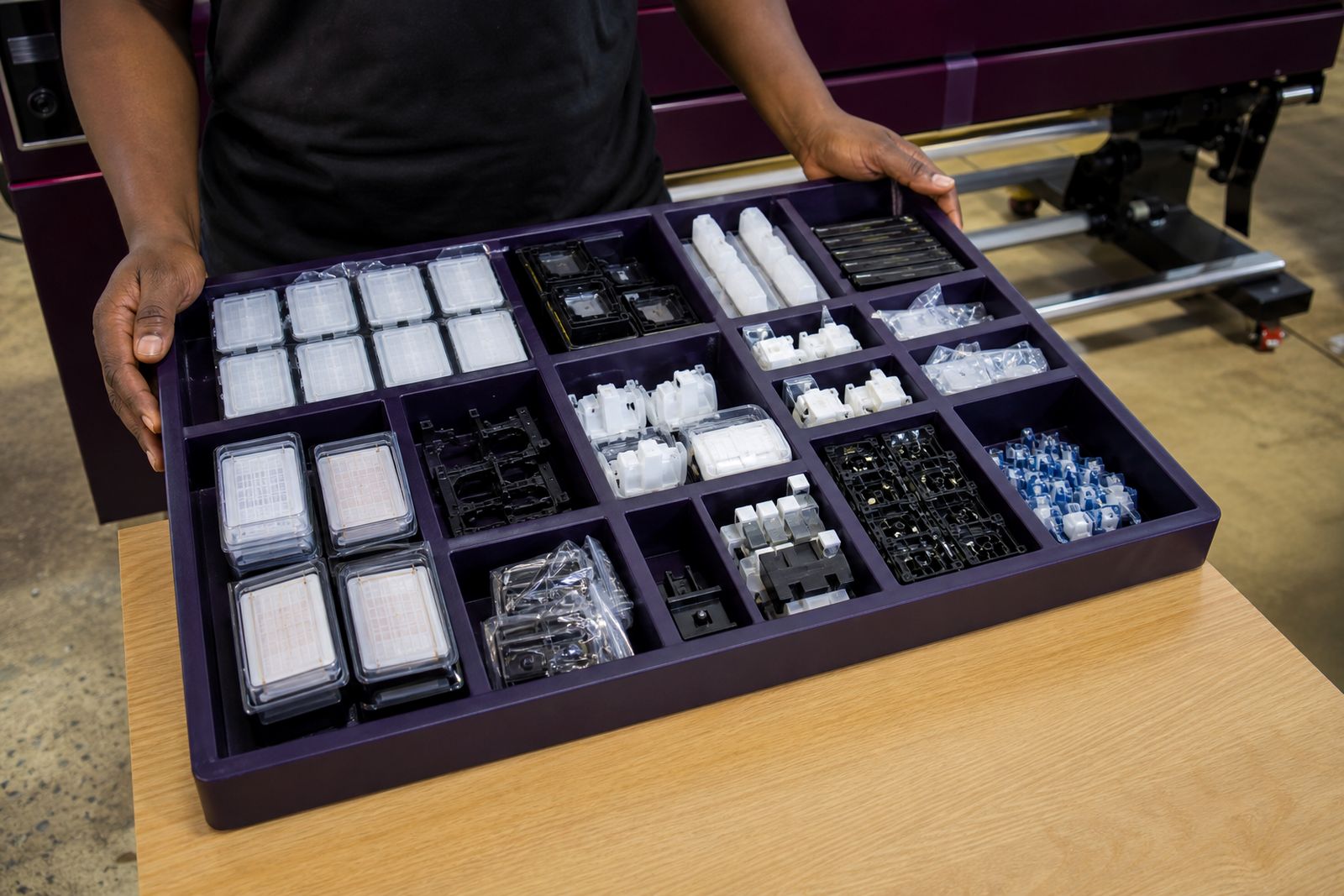
Spares
Shelf stock for service parts that stop banding, ink loss, carriage errors and missed cleans.
Read more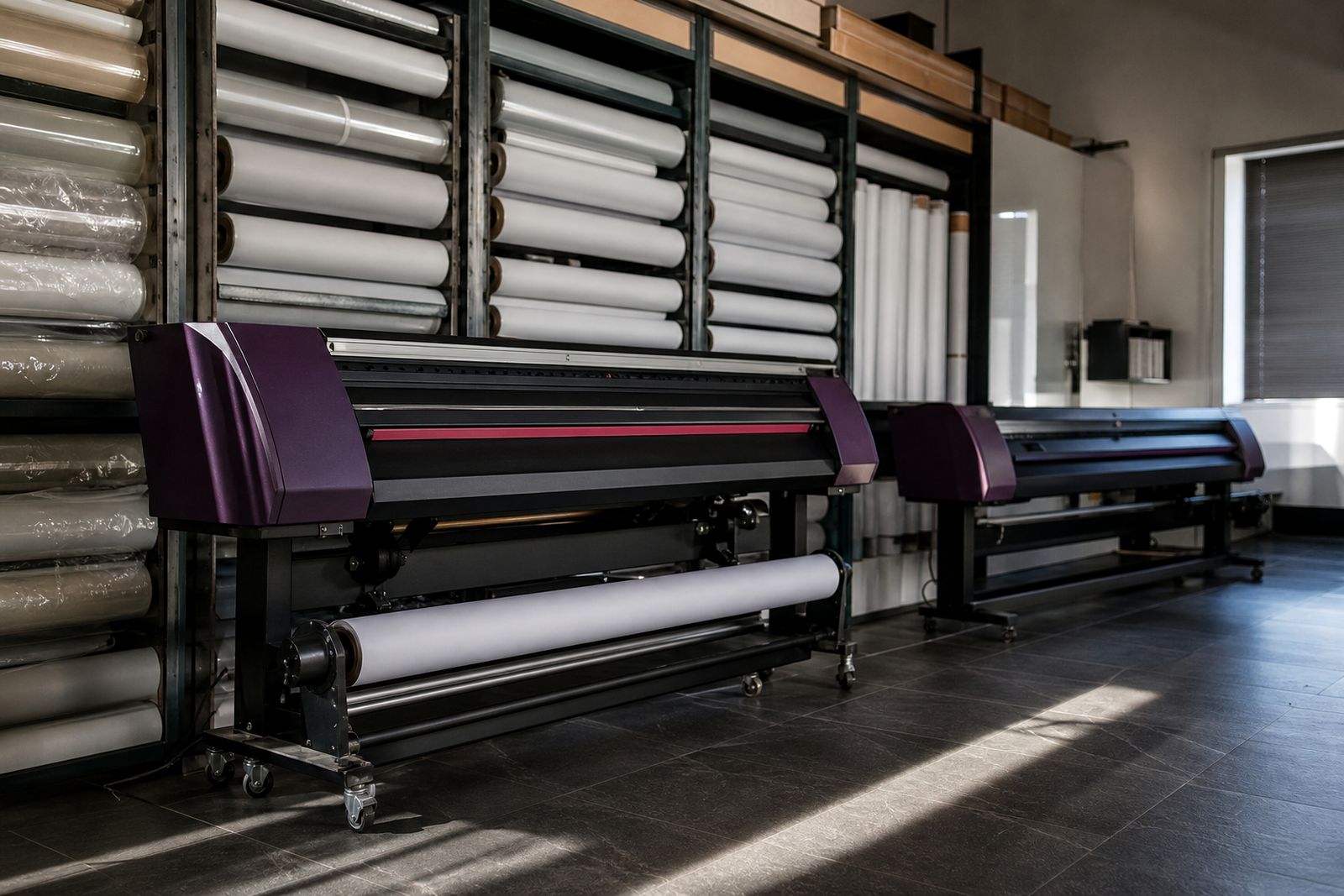
Media and consumables
Roll media and print-room consumables matched to real printer widths, ink sets and finishing methods.
Read more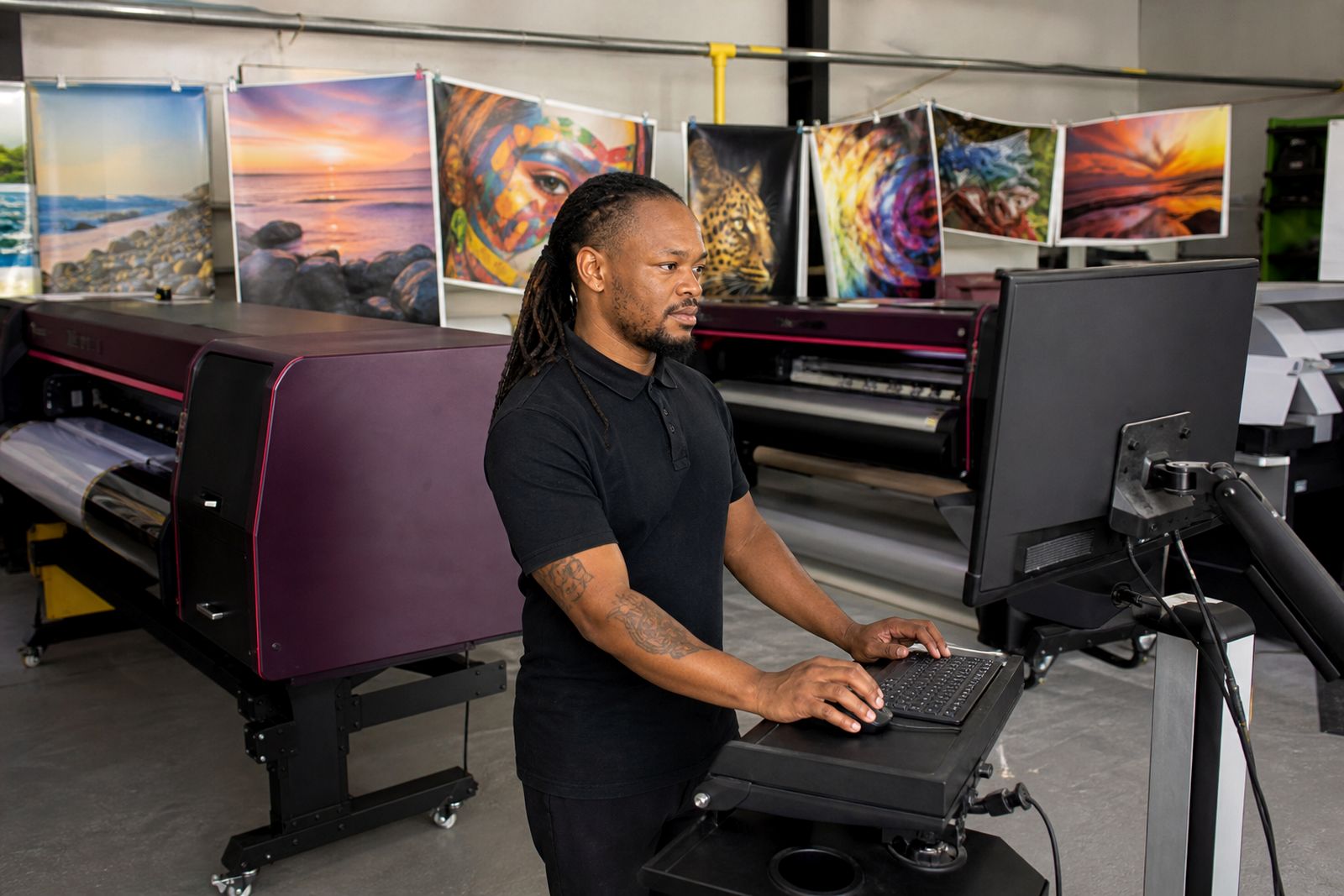
RIP software
RIP software setup for cleaner queues, steadier colour and fewer wasted metres on production runs.
Read more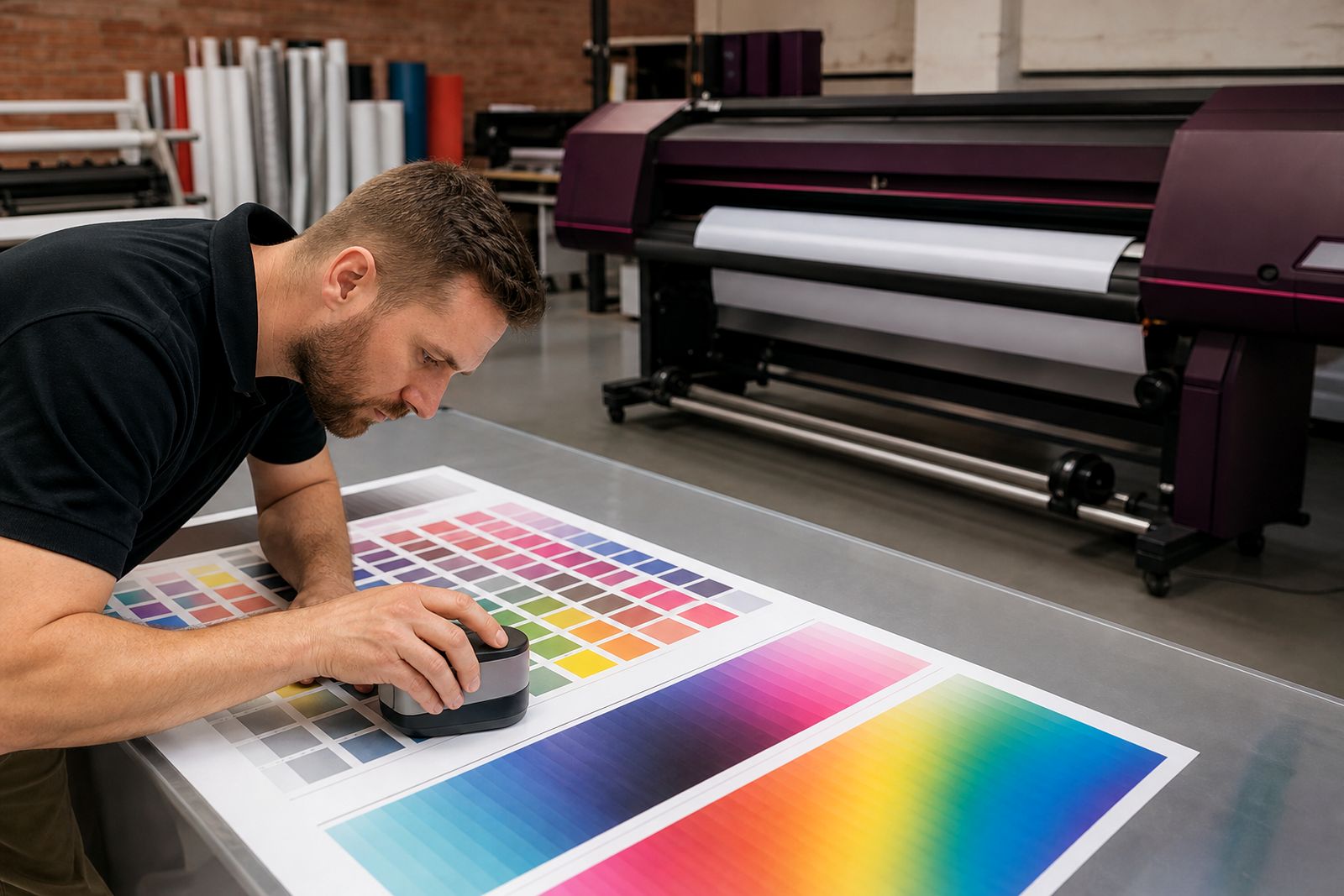
Set-up and colour profiling
Installation, RIP setup and media profiling done for South African print rooms that need stable colour from day one.
Read more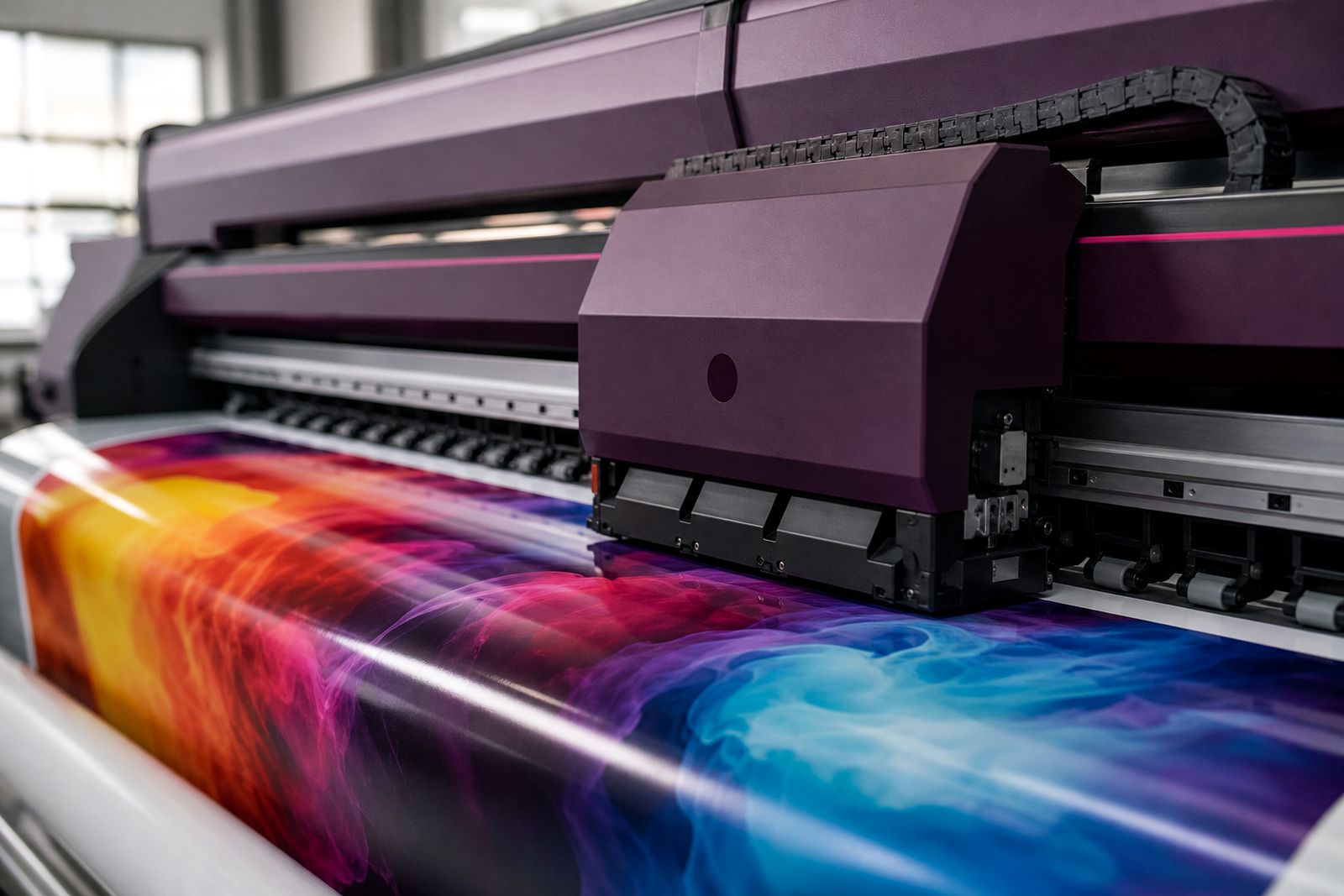
What leaves our Centurion base
Customers usually start with the printer, but the longer conversation is about the full print chain. A proper result depends on the printer, stable inks, accurate profiles and the right media on hand. We supply the connected items needed to get a proper result and keep it repeatable.
- Wide-format printers in eco-solvent, aqueous and UV configurations
- Replacement printheads and common spares for service work
- Bulk inks and day-to-day ink supply for production rooms
- Media and consumables for indoor and outdoor print applications
- RIP software for queue control, colour handling and layout
- Set-up, colour profiling and operator training on site
We do not sell plasma systems, routers or lasers. That matters because the advice stays inside the print trade. When a shop asks about nozzle health, drying behaviour, media curl, ink laydown or profile drift, the conversation stays anchored in wide-format output and the conditions found in local workshops.
How a printer job is usually put together
A typical project starts with the kind of work your shop actually bills for. A sign shop may need outdoor durability, decent speed on vinyl and banner stock, and manageable running costs across longer print days. A photo lab often cares more about tonal smoothness, skin colour, blacks and paper handling. A design or print studio might need one machine for flexible media and another route for boards or short-run display work.
From there we narrow the print width, the ink type, the media range and the workflow around your existing finishing. If the room has dust issues, if your busiest jobs are short-run stickers, or if humidity shifts with the season, those details change the recommendation quite a bit.
After placement, set-up continues with practical checks on feed, alignment, ink delivery and RIP settings. Colour profiling then brings the printer and media into line so reprints make sense and operators are not chasing colour by eye all day. Training covers routine cleaning, safe handling, basic fault spotting and the habits that reduce wasted stock. It sounds ordinary, but these are the small things that save metres of media over a month.
From Gauteng into every province
Our base is in Centurion and much of the regular site work sits in Gauteng, especially for sign shops, photo labs and studios that need a local point of contact for installations, consumables and parts planning. At the same time, printer deliveries, inks and media move well beyond the Highveld.
We send equipment and consumables to every province. Some customers need a full machine delivered with software and commissioning arranged around their production schedule. Others simply need consistent access to inks, replacement printheads, take-up components, dampers, capping parts or media rolls without having to source each item from a different place.
That mix of local support and national delivery suits the trade quite well. A Centurion studio may need hands-on profiling after a media change, while a coastal sign shop may mainly need regular consumables and advice on how humidity affects curing and storage. The needs differ, so the supply pattern does too.
Highveld dust, coastal air and printhead life
Wide-format printers are sensitive machines, and South African conditions are not the same from one town to the next. In Gauteng, fine dust gets into workshops, onto media edges and around carriage paths more easily than many operators expect. That dust can contribute to head strikes, blocked nozzles and contamination around maintenance stations if cleaning routines are casual.
Coastal shops face another set of issues. Humid air changes how some media behaves once opened, and storage matters more than people think. A roll that sits badly wrapped in damp air can print very differently from a fresh roll from the same batch. UV jobs on boards can also show handling marks or adhesion variation if the substrate has been stored poorly.
- Keep unopened media sealed until it is needed on the machine
- Let new media settle in the print room before long runs
- Watch for dust around pinch rollers, carriage paths and capping areas
- Do nozzle checks before critical colour jobs and after faults
- Use profiles that match the actual media in the machine
These details have a direct effect on waste, colour consistency and head life, often more than most shops expect. A printer can be mechanically sound and still produce poor work if the room habits are sloppy.
A practical route into the right machine
Shops often land on the wrong printer because the conversation starts with top speed or a broad claim about versatility. The better route is to line up the machine with the work mix, available floor space, substrate handling and the standard you need on finished output. A unit that wastes media, struggles on colour, or sits idle because the ink cost is wrong is not a useful investment.
We work with businesses that already know their workload, and with owners moving from outsourced print into in-house production. In both cases the brief is easier to assess when it includes media widths, monthly print volume, the balance between indoor and outdoor work, and whether the room is mainly signage, photographic output or studio graphics.
For product selection, consumables or a set-up discussion, use our contact form and tell us what the print room is expected to handle. That gives us a proper starting point for printer type, ink choice, media planning and the support items needed around the machine.
Questions we get asked
Do you only sell printers in Gauteng?
We are based in Centurion and do regular work across Gauteng, but we deliver printers, inks, media and related items to every province.
What support do you provide around the printer?
We handle printheads, inks, spares, media, RIP software, set-up, colour profiling and print-room training as part of the same wide-format trade.
Do you sell cutting or engraving equipment as well?
Our scope is wide-format printers and the items that support them. We do not sell plasma systems, routers or lasers.
Tell us about the job
Send sizes, materials and where you are through our contact form, and we will come back with the practical options.
Open the contact form