

Year-end output check
Late November is when our workshop starts to feel the pressure of the season change. Jobs need to leave on time, teams are planning shutdown dates, and production has to stay stable even when the phones are busy and the calendar is full. We use this time to check the whole print chain, from media and ink to profiling and finishing, so December does not turn into a repair queue.
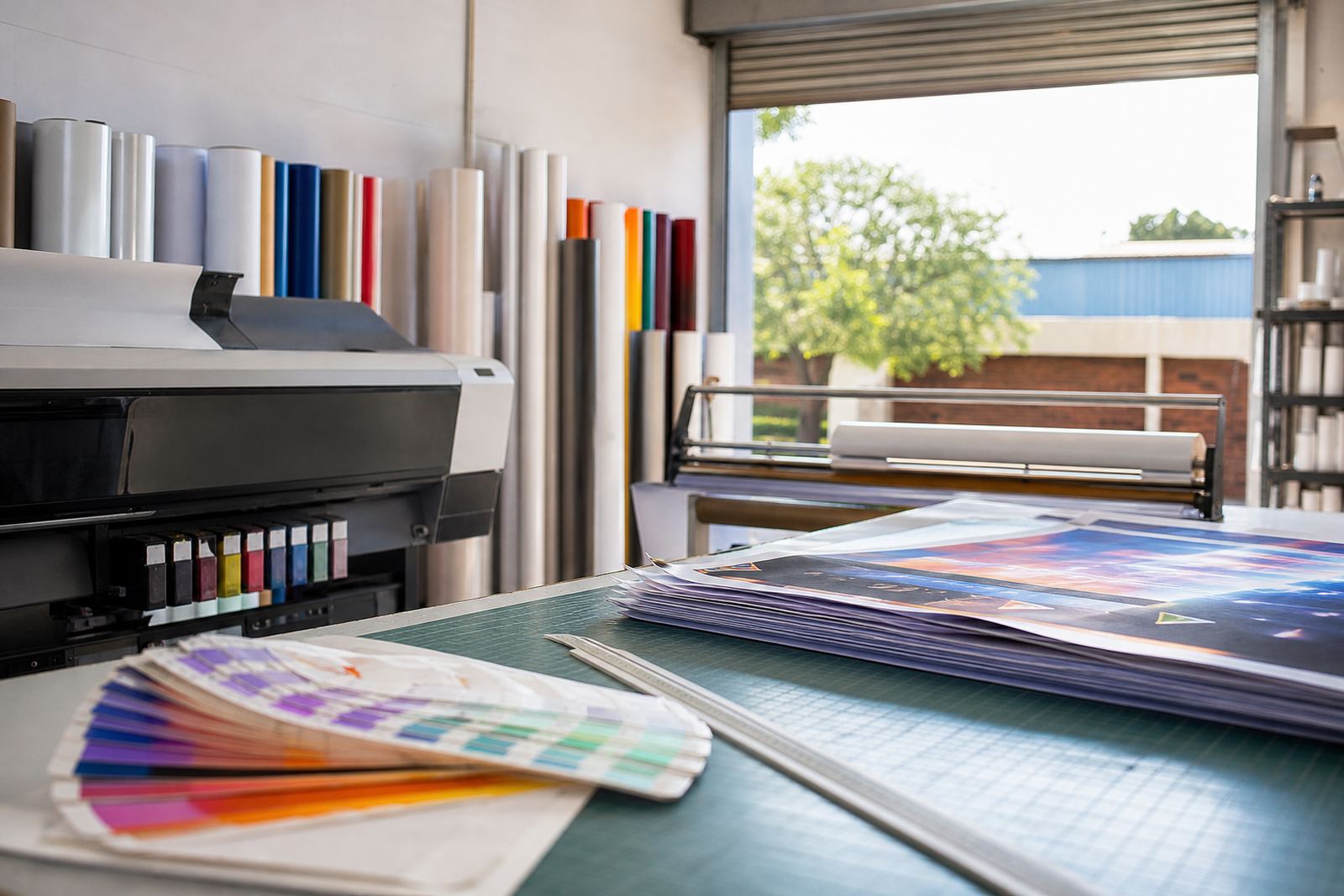
Check the printer before the rush
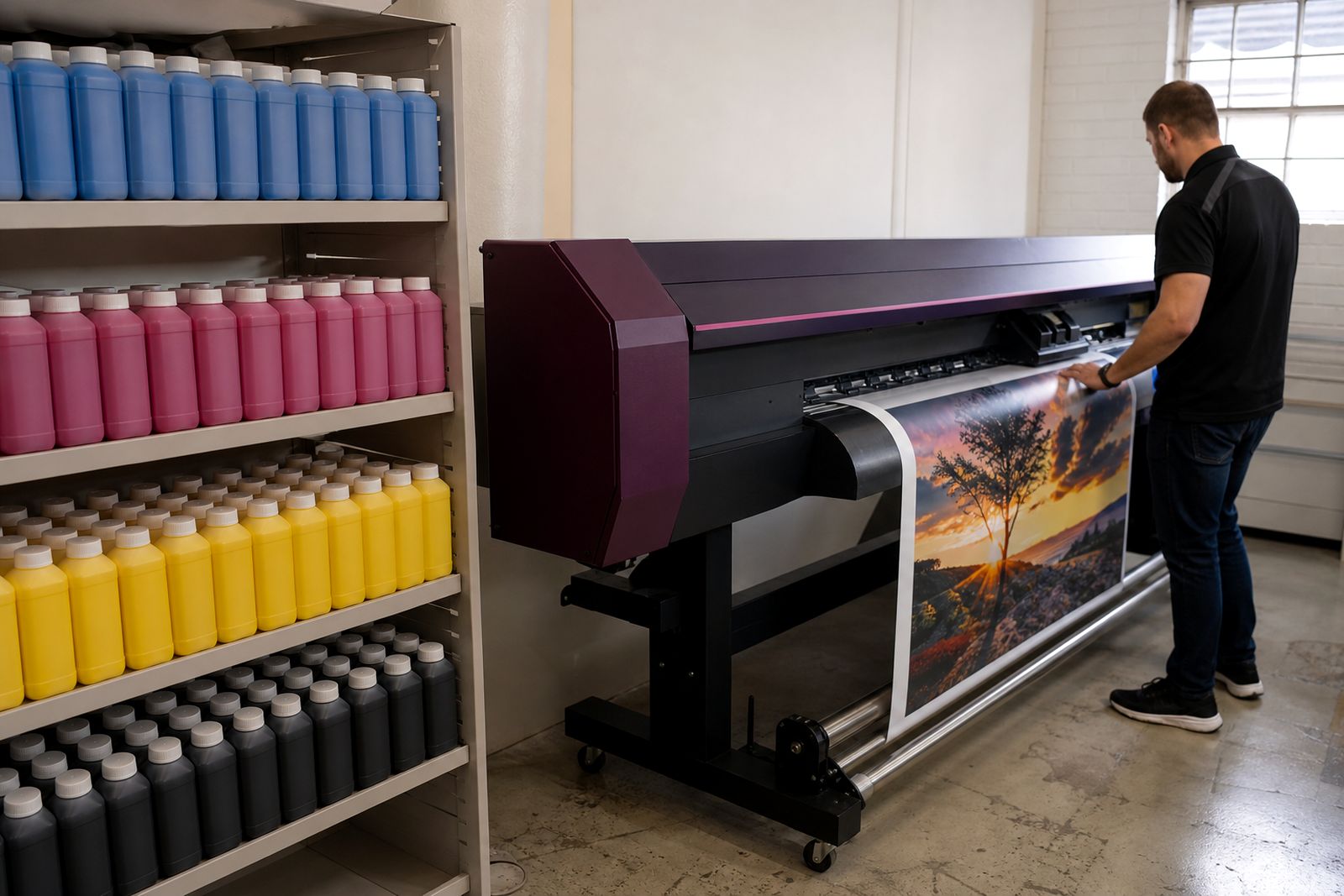
We start with the basics, because small faults become expensive when orders stack up. That means checking printhead condition, nozzle health, carriage travel, wiper systems, capping stations, take-up tension and head height. We also listen for new noises, look for banding, and confirm that the printer is not pulling media unevenly across long runs.
For busy shops, a short pre-holiday service is often the difference between a calm week and an emergency call on the last working day. If there is a weak head or a worn maintenance part, late November is the time to catch it.
Stabilise your colour
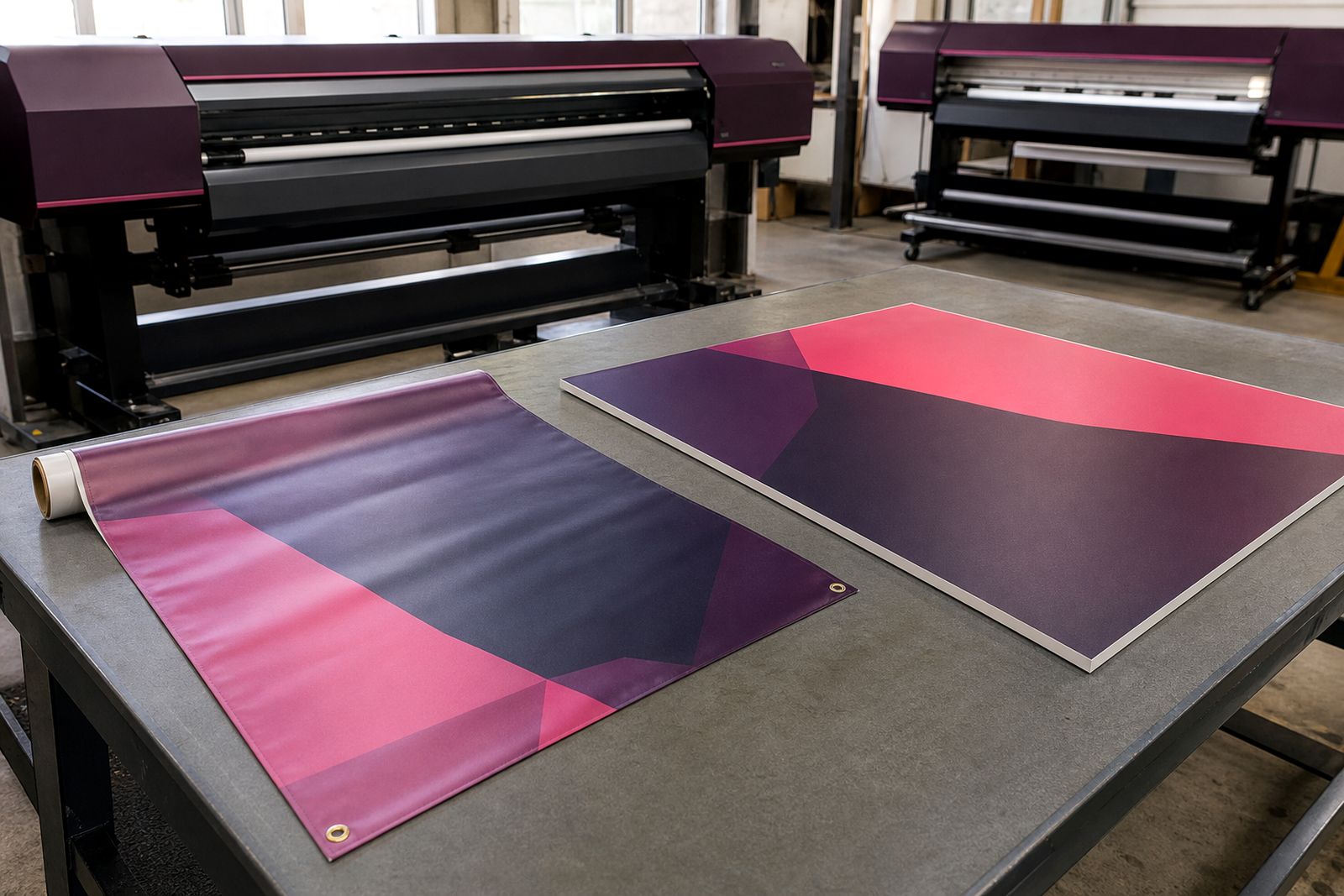
Summer heat and long production days can change how colour behaves, especially on wide-format output where different media stocks are in play. We recheck profiles, confirm that the RIP is using the right media settings, and print a few controlled samples before big runs. If a banner, vinyl or poster needs a specific look, we save time later by locking it down now.
It also helps to keep test files consistent. Use the same target file, the same viewing light and the same approved sample when you compare output. That way you are checking the printer, not guessing between different references.
Match media to the season
Festive work often includes banners, window graphics, decals, short-run display boards and event branding. Each material behaves differently in summer conditions, so we check stock storage, dust levels, curl and surface condition before feeding it through the machine. Rolled media that has been sitting in a warm store room can move differently from a fresh roll.
- Keep vinyl and banner stock flat, clean and off the floor.
- Let cold or very warm media acclimatise before printing.
- Use the correct profile and drying time for each substrate.
- Inspect finished work before packing it for delivery or installation.
Plan for shutdown and restart
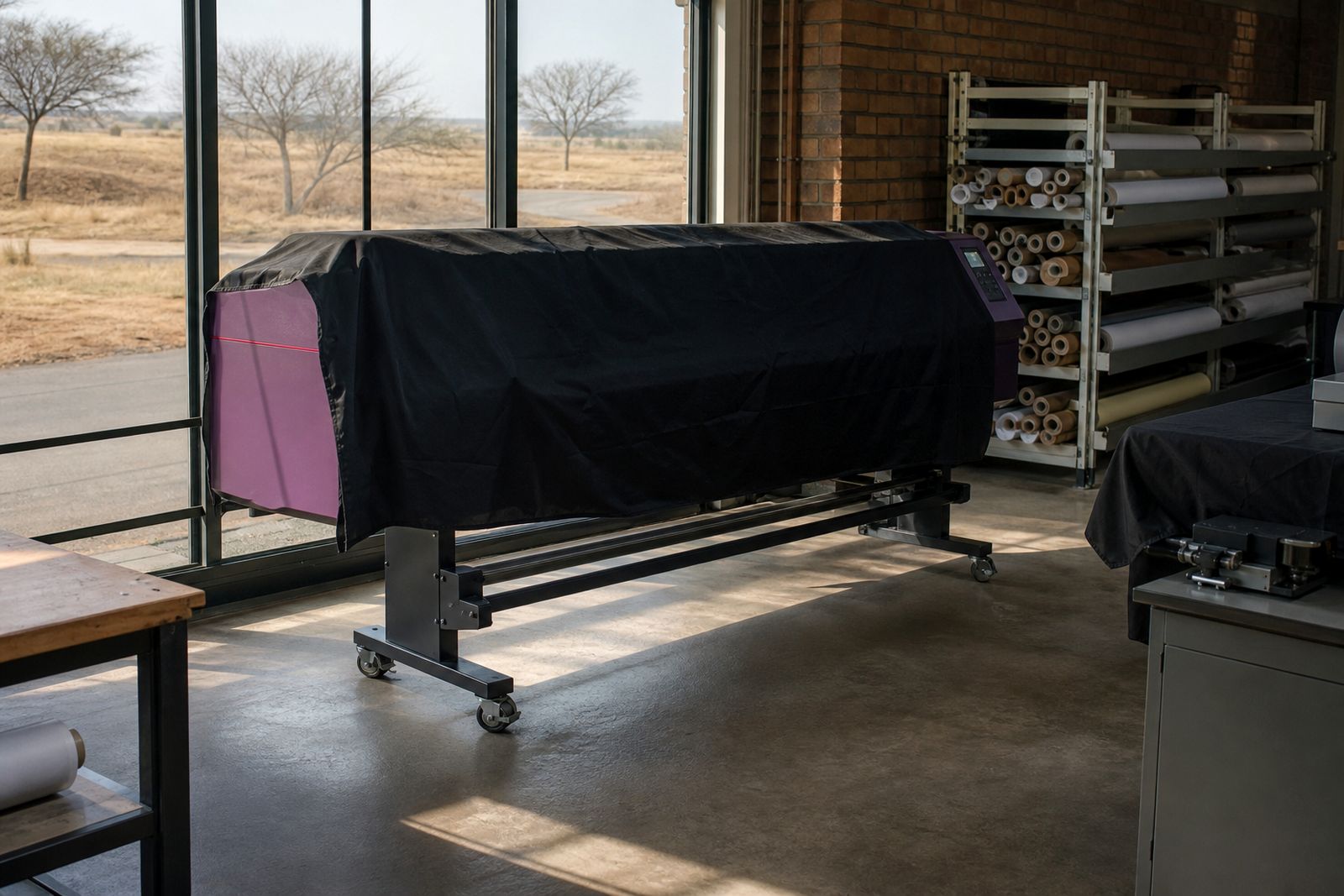
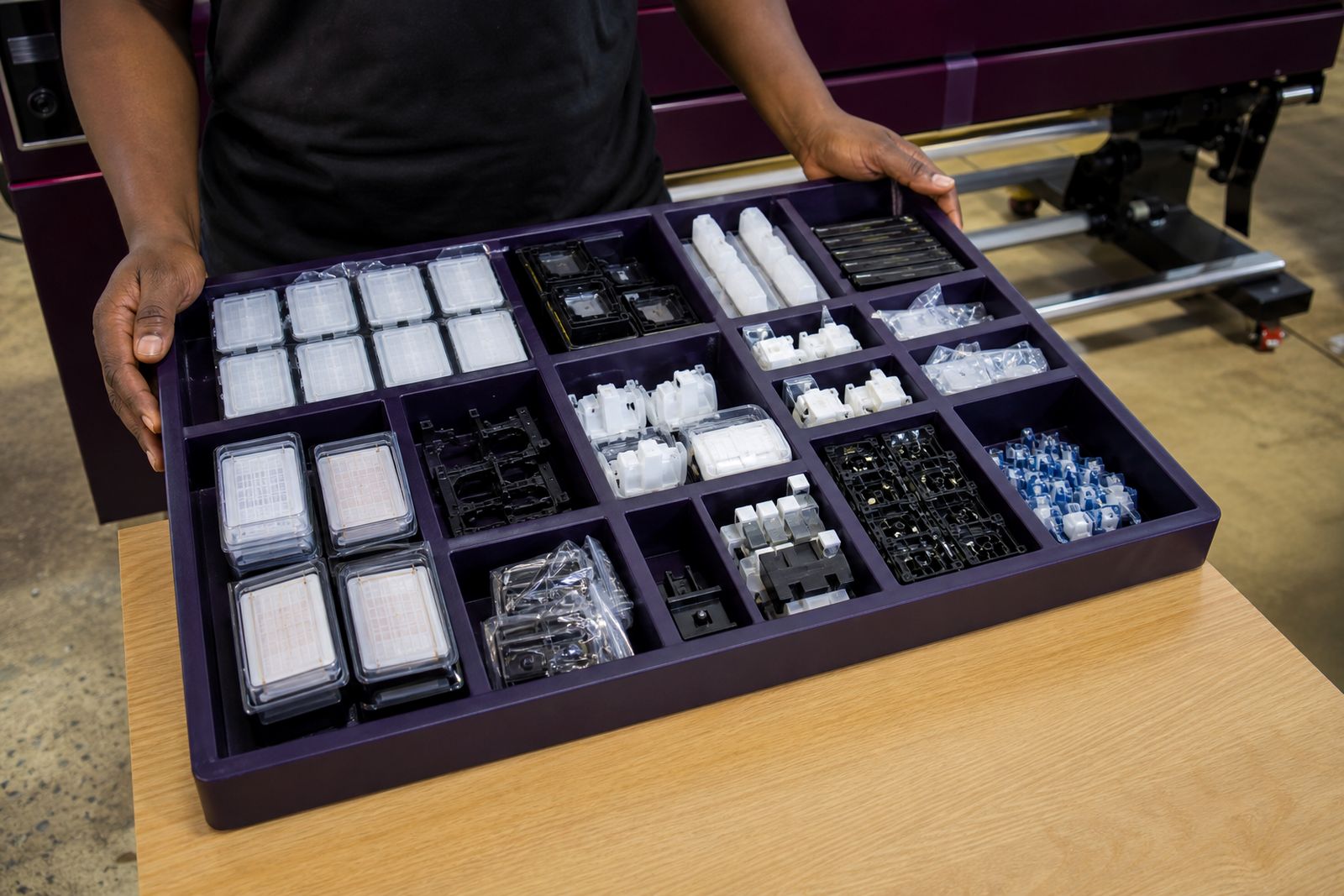
December shutdown planning is not only about closing doors, it is about leaving the equipment ready for January. We park machines properly, empty what needs emptying, protect heads and clean critical areas so dried ink does not set up over the break. Spare parts and consumables should be counted before the last week, not after it.
When January starts, the smoothest restart comes from a workshop that was left in order. A clean printer, clear notes and the right media on hand save time when everyone is back and the first rush of jobs arrives.
Keep a simple ready list
We find that the best year-end control is a short, practical checklist that everyone can follow. It should cover printer status, inks, media, profiles, maintenance items and the jobs still in queue. If a note only lives in one person’s head, it usually gets lost when leave starts.
A clear list also makes handover easier for shops with a small team. You know what must be finished now, what can wait for January, and what needs to be protected over the shutdown.
Questions we get asked
What should we check first before the festive rush?
Start with printer condition, nozzle health and the media you plan to use most often. Then confirm profiles, spare consumables and finishing capacity so the work queue stays realistic.
Why does colour drift more at year end?
Heat, dust, media handling and long production days can all affect output. A fresh check of profiles and media settings helps keep the same job looking the same from batch to batch.
What is the best way to leave a wide-format printer for shutdown?
Clean it properly, protect the heads, remove anything that can dry or settle, and leave a short restart note for January. A careful shutdown is cheaper than recovering from a neglected machine.
Also worth a look
Tell us about the job
Send sizes, materials and where you are through our contact form, and we will come back with the practical options.
Open the contact form